On the evening of February 28th, 2026, a woman asked a question she already knew the answer to. Her partner — let's call him P. — made the mistake of being honest.
He didn't just describe one person. He described seven. Maybe eight. Each one real. Each one her. Each one a stranger to the others.
What follows is the reconstructed evidence: a mind map found in a journal, photographs recovered from a shared phone, and the testimony of a man who loved all of them — and none of them — at the same time.
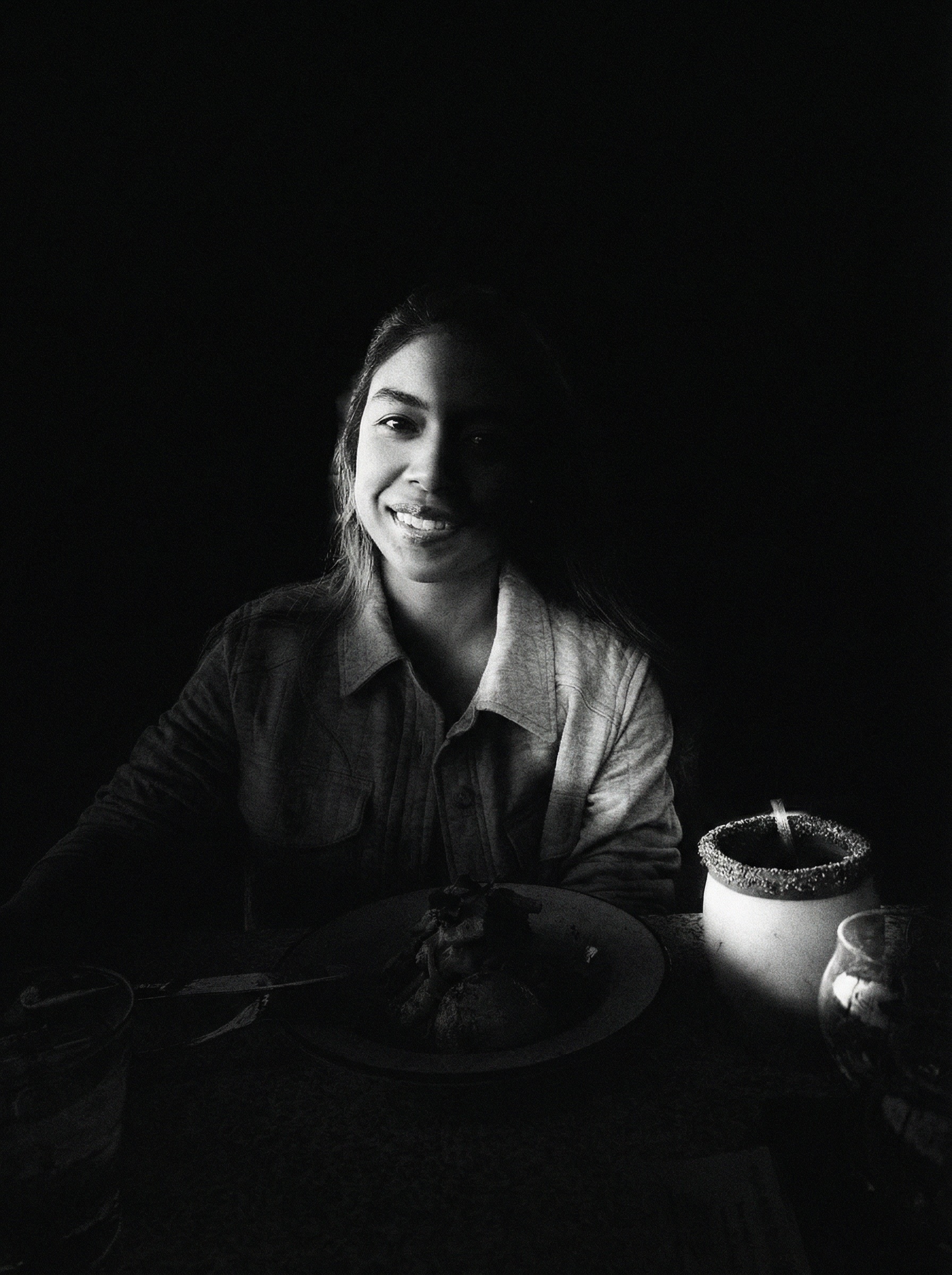
This is the Rachel from the first date. The one who wanted to impress him. Who made him feel like the only person in any room. Warm hands, soft voice, eyes that said I choose you.
She shows up in the evening, usually. Candlelit. Wine-soft. She makes him want to do anything, fix anything, build anything — just to keep her looking at him like that.
By morning, she's gone. Not dramatically — she just fades. Like a dream you can almost remember but can't hold. He's been chasing that version of her ever since.
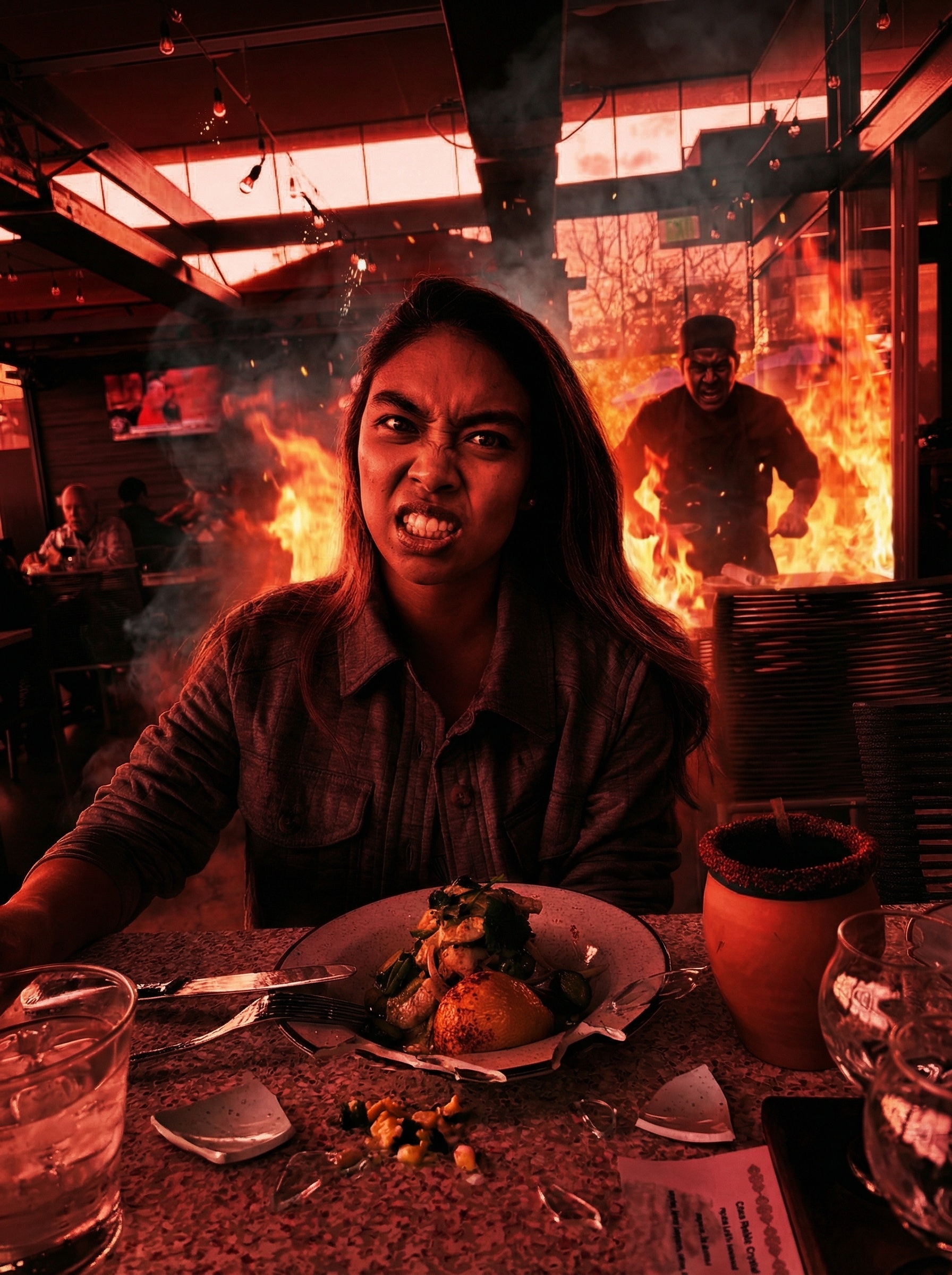
She arrives without warning. Something sets her off — a tone, a look, the way he breathes too loud — and suddenly the kitchen is a crime scene. Curses fly like shrapnel. Every grievance she's ever catalogued comes pouring out, fully loaded.
She's convinced the world is pushing her around. Other people are the problem. Other people and their thoughts and their existence. She hates how they are. She hates that they're allowed to be like that.
He becomes the punching bag in her mind. Not physically — worse. She builds a version of him made entirely of his worst moments and argues with that guy instead. The real him just stands there, holding a spatula, wondering what happened to dinner.
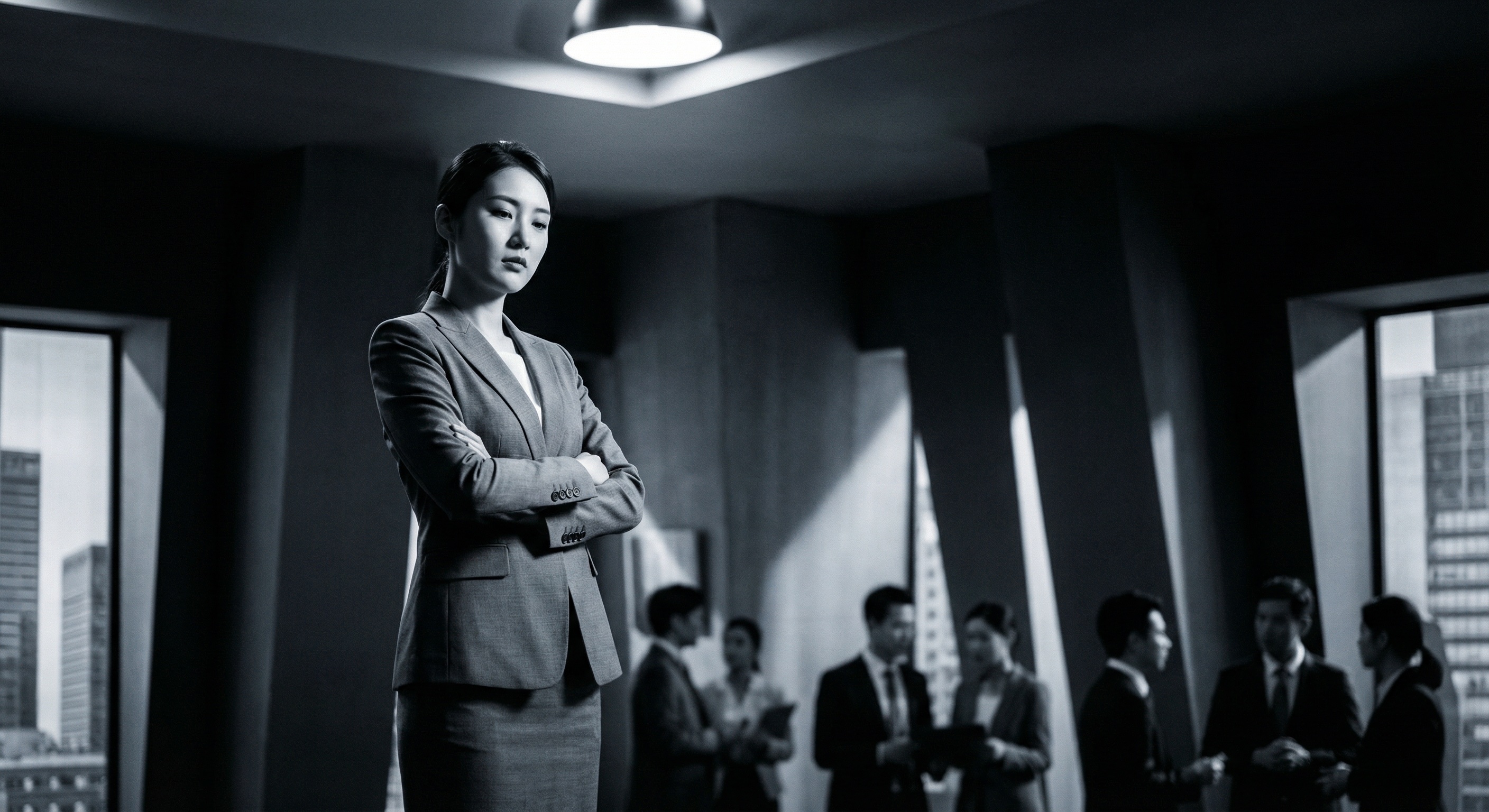
This one gets shit done. Bills paid. Appointments scheduled. Life organized into ruthless efficiency. She'd be admirable if she didn't make everyone around her feel like a child who forgot their homework.
She carries the weight of the world and resents every ounce. Nobody else is trying. Nobody else cares. She is the only competent person in a building full of dead weight, and she wants you to know it.
The thing is — she's often right. The bills are overdue. The dishes are piling up. She just delivers the truth like a court summons instead of a conversation.
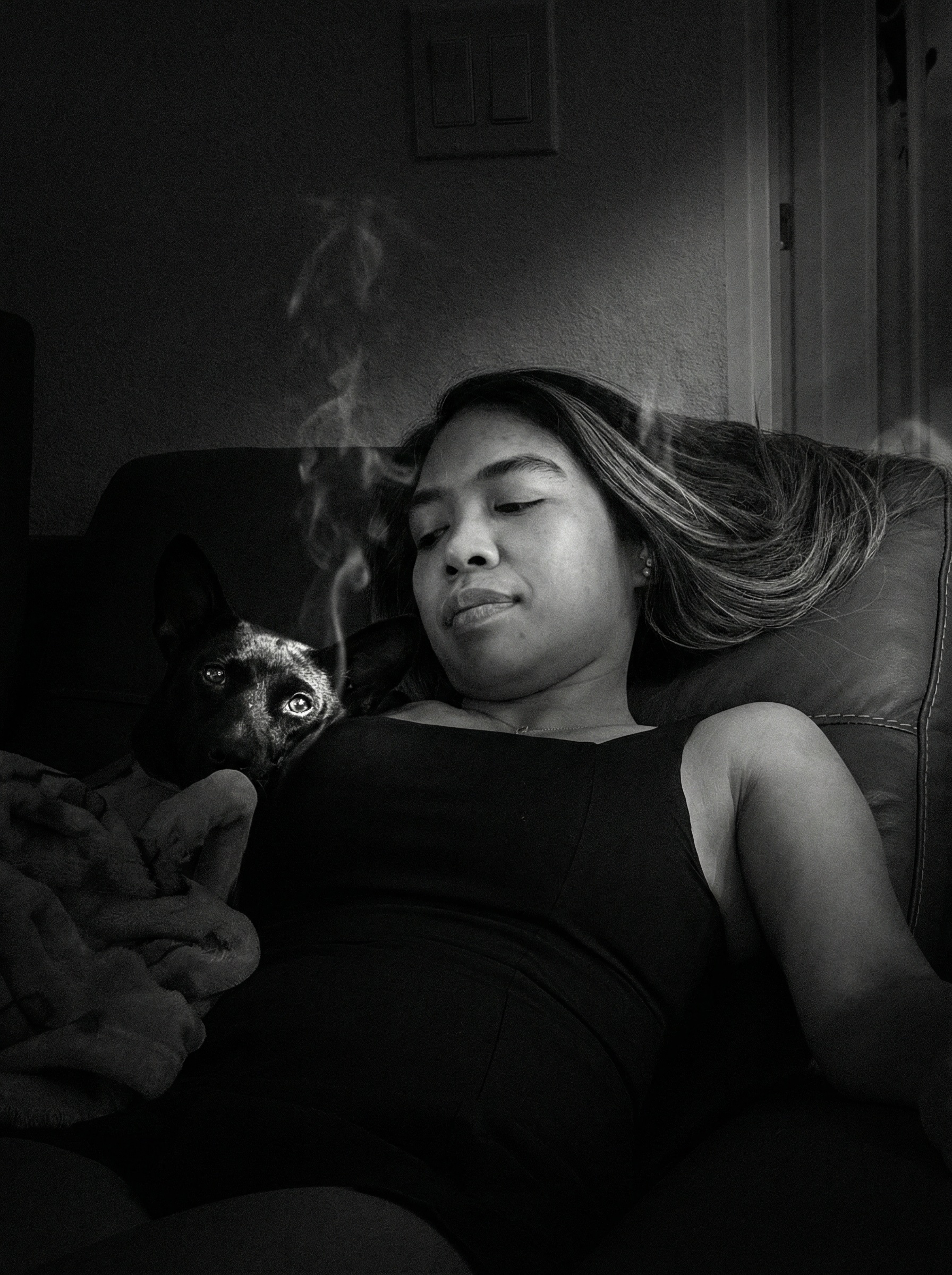
She doesn't yell. She doesn't cry. She doesn't do anything. She's on the couch — has been for hours — staring at nothing with the dog pressed against her side like a tiny, furry life preserver.
You talk to her and the words go in but nothing comes back. Not anger, not sadness — just absence. Like someone left the body running but took the person out of it.
He goes to play video games because what else can he do? She doesn't like that either, even though she won't talk. The silence has rules, apparently. He just doesn't know them.
She blames the Adderall, sometimes. Or the lack of it. It's hard to tell which version of the medication narrative is active on any given Tuesday.
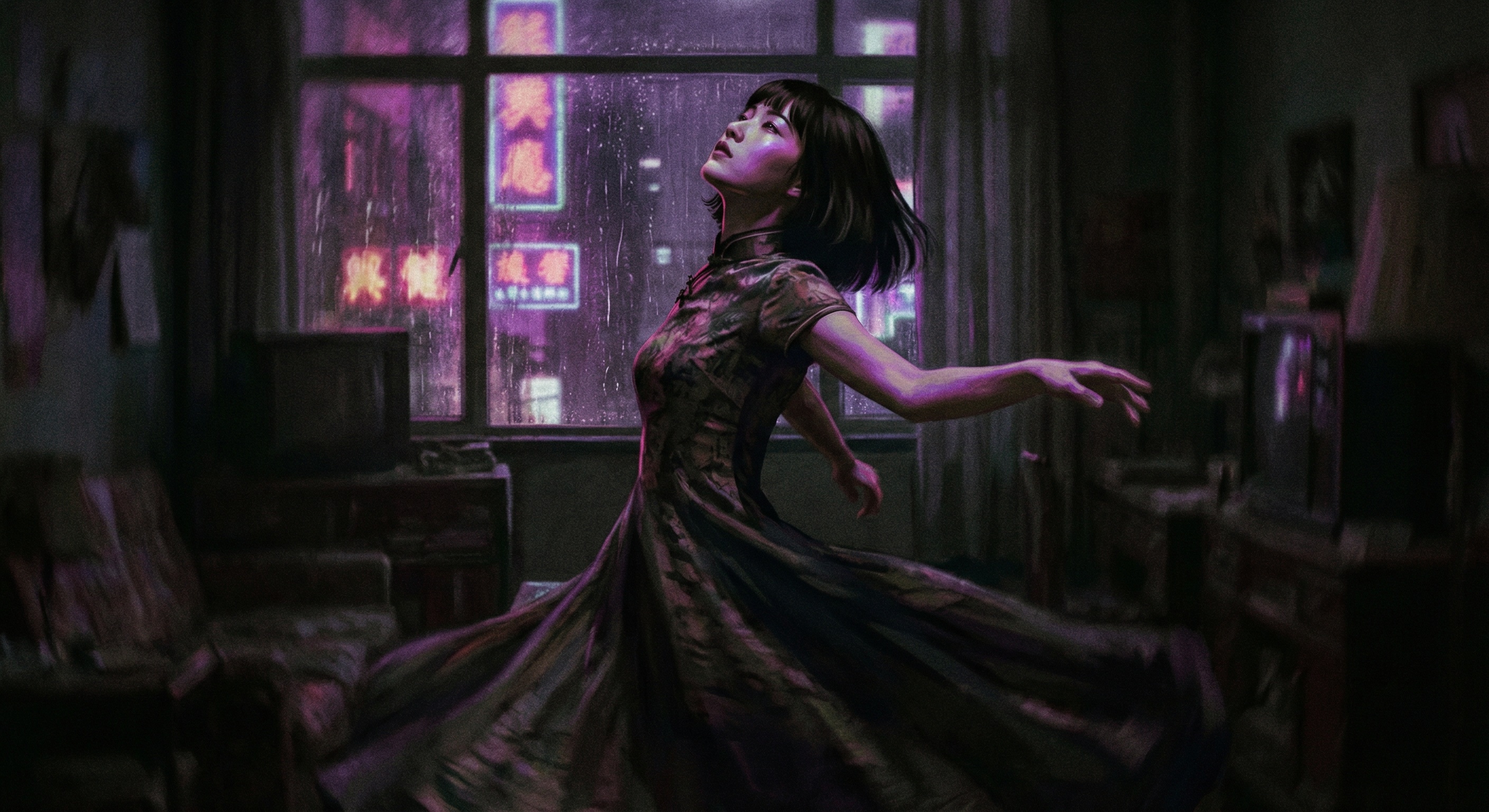
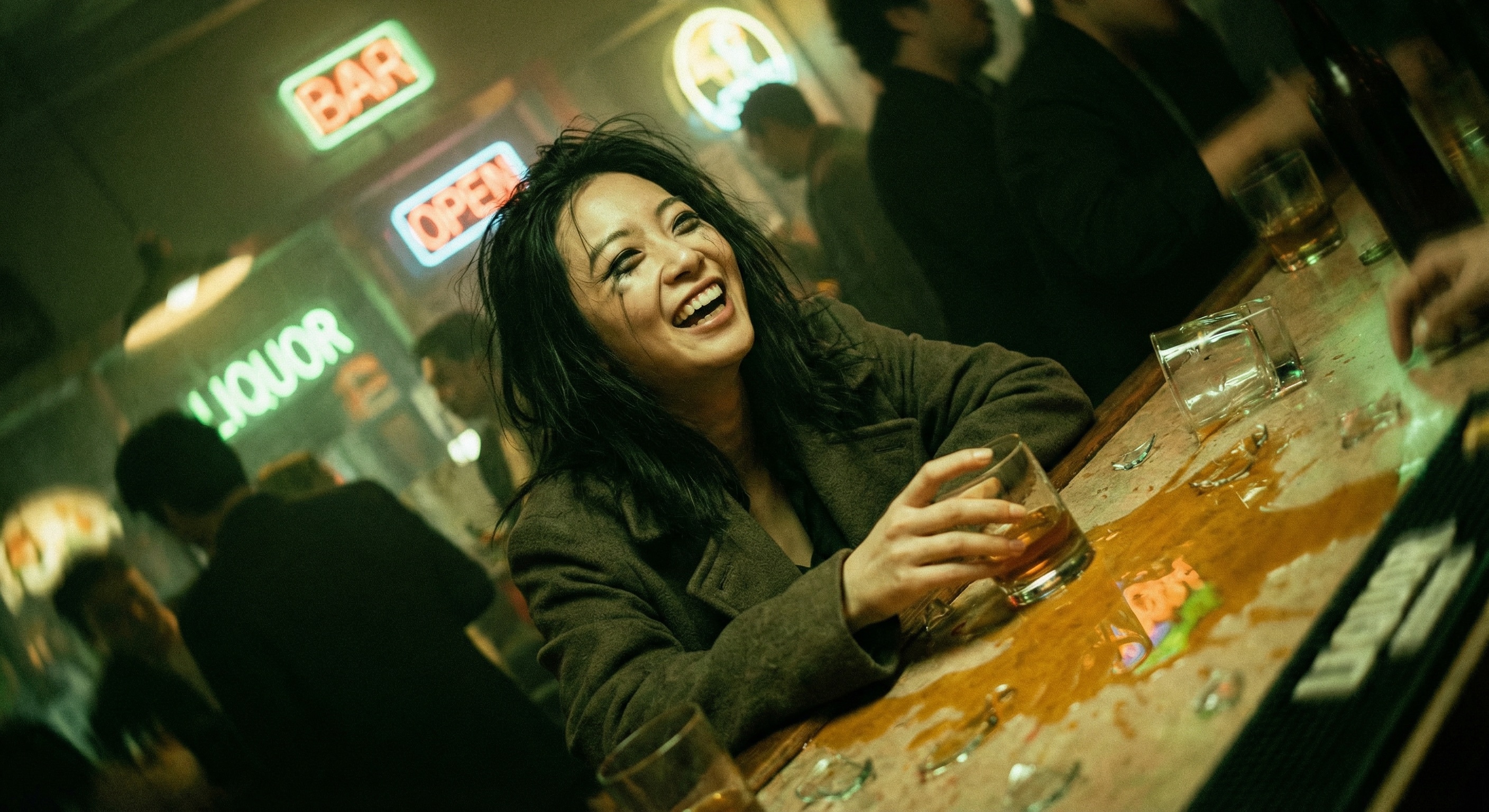
She dances. Not the careful, self-conscious sway that most people do — she dances. Full body. No apology. She's proud of every inch of herself and she wants the room to know it.
She makes the rules and breaks them in the same breath. She's magnetic. People orbit her. She's the version of herself that the other Rachels quietly wish they could be all the time.
She doesn't show up on command. You can't summon her with the right playlist or the right drink. She just arrives — uninvited, unapologetic — and for a few hours, everything is golden.
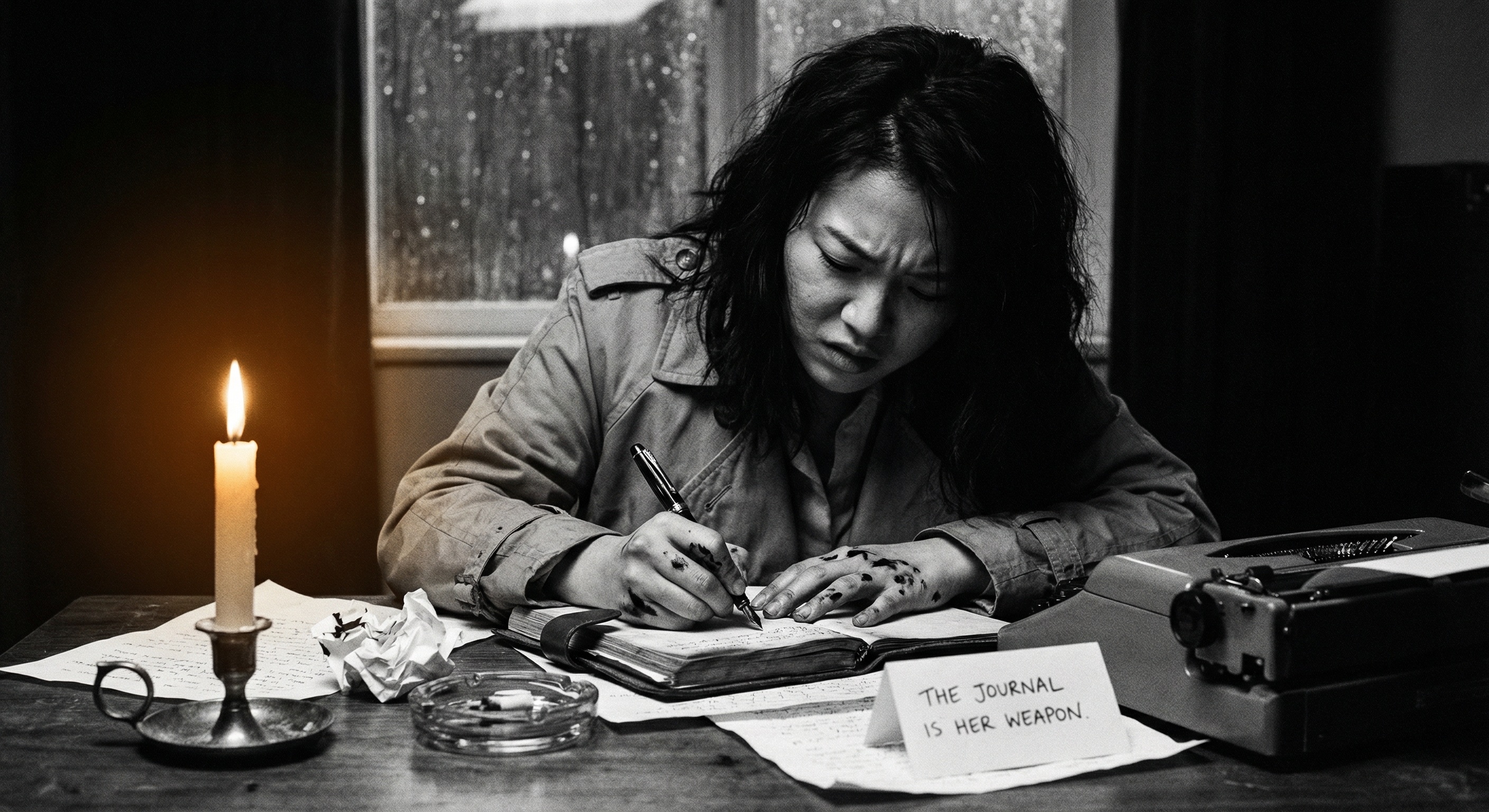
She writes everything down. Every slight. Every silence. Every time he looked at his phone when she was talking. She's building a case, and the journal is her evidence locker.
Like dealing with a child, he says. She hears the words but doesn't process them as problems to solve — she processes them as ammunition to store. Responsibility is a concept that applies to other people. Her journal agrees.
The journal never lies. But it never tells the whole truth, either. It's a prosecution without a defense. A courtroom where the verdict was decided before the trial began.
She doesn't easily shift states. Once she's in, she's in. There is no transitioning her out — she has to leave on her own, and she'll take her sweet time.
Rachelle isn't Rachel with a buzz. Rachelle is what happens when Rachel leaves the building and someone else takes the wheel with no license and no brakes.
She can't think one step ahead. Can't think at all, really. The brain that houses seven different women has finally, mercifully, completely shut down. What's left is pure reaction — stimulus, response, no filter, no consequences.
She's a danger to herself and everyone in the blast radius. Not out of malice — Rachelle doesn't have the processing power for malice. She's a toddler with a credit card and car keys.
When she shows up, the only protocol is containment. Get her home. Get her water. Get her horizontal. And pray that whoever wakes up in the morning is someone you recognize.
There is no Rachel. There are only Rachels — a rotating cast of women who share one body, one name, and one man who's foolish enough to love all of them.
He mapped them out because he needed to understand. She wrote it down because she needed proof. Neither of them got what they were looking for.
The case remains open. It will always remain open. You don't solve a person. You just keep showing up and hoping the Rachel who answers the door is one you know how to love.